
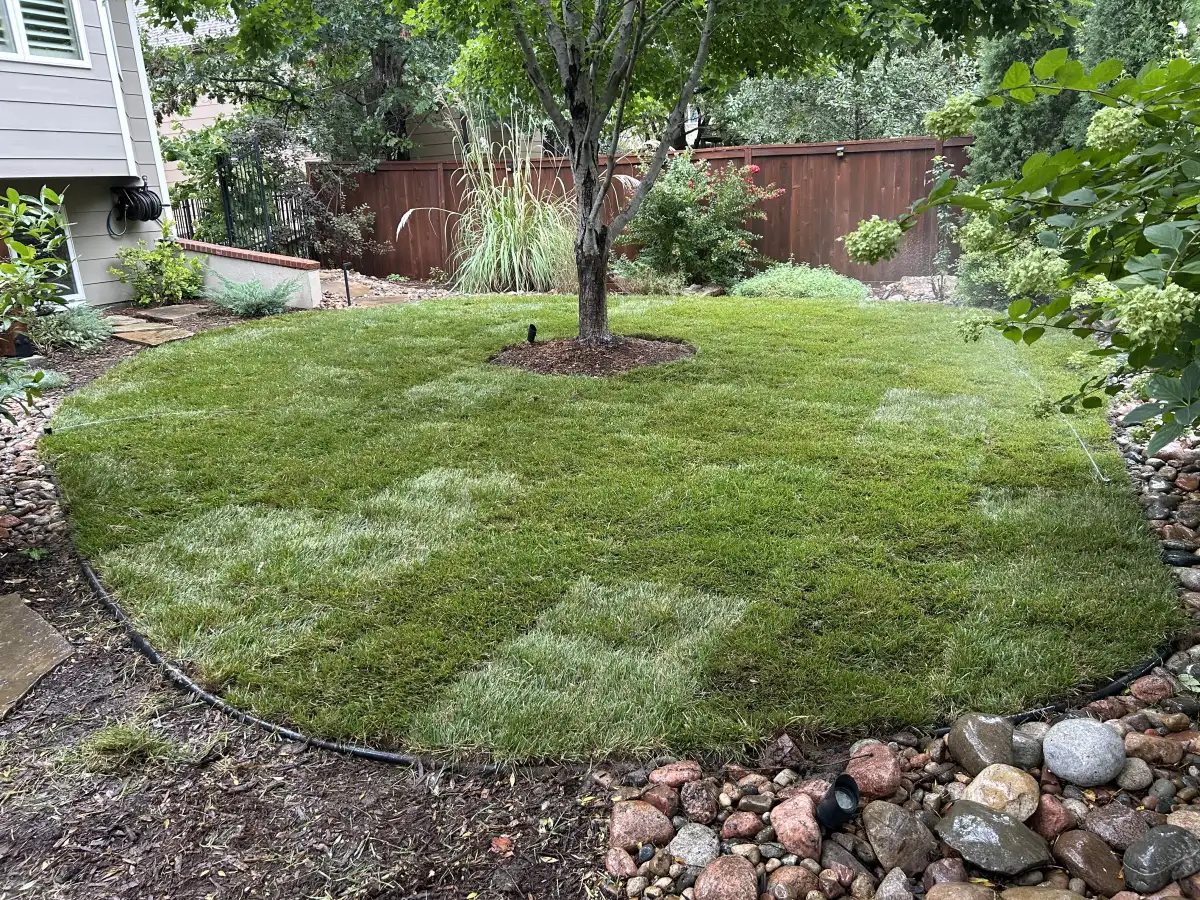
“Landscaping” can describe anything from rebuilding a tired planting bed to correcting drainage, installing sod, adding hardscaping, or redesigning a large part of the yard. That range is why Wichita homeowners can receive estimates that look very different even when every company has seen the same property.
Before booking, compare the problem each plan solves, the preparation behind the visible work, and the care the finished landscape will need. Prestige Lawn Care provides landscaping in the Wichita area, and the questions below can help you have a more useful property conversation and compare scopes on equal terms.
Start with a written scope, not an hourly rate. Confirm removals, site preparation, materials, drainage and irrigation needs, installation, cleanup, project order, and maintenance. The lowest total is not the same as the same work for less if important preparation or finish details are missing.
Should I Compare Landscaping Companies by Hourly Rate?
An hourly rate can be one part of a proposal, but it does not tell you what the finished result includes. One scope may include equipment, materials, bed preparation, removal and haul-away, grading, installation, and cleanup. Another may quote labor while leaving several of those items separate. Comparing only the rate can hide the larger difference.
Ask for a written description of each area included in the work. It should identify what stays, what is removed, what preparation is planned, which materials are specified, and what condition the area will be left in. If a recommendation involves a new layout, a landscape design plan can also help everyone work from the same priorities.
What Is Usually the Most Expensive Part of Landscaping?
There is no single answer that fits every Wichita property. Major cost drivers can include demolition and haul-away, difficult access, extensive grading, yard drainage corrections, hardscape foundations and materials, soil preparation, irrigation changes, or the quantity and type of plants, rock, mulch, sod, and edging selected.
The part you see at the end is not always the part that requires the most work. A clean bed or patio edge may depend on excavation, base preparation, grade control, and moving materials through a narrow access point. Ask which parts of the estimate are preparation, which are materials, and which are installation. That makes it easier to adjust the scope without removing work the finished project depends on.
Can My Existing Landscape Be Improved Without Starting Over?
Often, yes. If healthy plants, usable bed lines, sound hardscaping, or working irrigation already fit the goal, a plan may preserve them. Selective pruning, removal of overcrowded or struggling plants, refreshed edging, soil improvement, mulch or rock changes, and filling bare areas can make an established landscape feel intentional again.
Begin by naming what is not working: poor curb appeal, plants that outgrew the space, beds that are difficult to weed, water collecting near a walk, or an area that no longer fits how you use the yard. That distinction helps separate a focused renovation from a full redesign and keeps usable features from being removed without a reason.
Should Drainage and Irrigation Be Addressed First?
If the property has low spots, runoff, erosion, soggy areas, dry zones, leaking heads, or uneven coverage, those issues should be evaluated before new plants, sod, or hardscaping are finished. Decorative work cannot correct water that is moving in the wrong direction, and new landscaping may be disturbed if buried systems need attention afterward.
Planning irrigation needs alongside drainage also helps match each area to realistic watering. Beds in full sun, turf under mature trees, and plants near a reflective wall do not experience the same conditions. Coordinating the systems early gives the visible landscape a better foundation.
What Order Should the Work Follow?
The sequence depends on the property, but disruptive work normally comes before finish work. Removals and access come first, followed by grading or drainage, base preparation for hardscaping, irrigation changes, soil and bed preparation, planting, and then sod or seed in areas affected by construction.
For a larger plan, ask whether it can be divided into practical phases. The first phase should solve the highest-priority issue and leave sensible access and connection points for the next one. A phased plan should reduce rework—not simply split one necessary step away from the work that depends on it.
How Do I Choose Plants and Materials for Wichita Conditions?
Choose for the exact location rather than appearance alone. Sun exposure, reflected heat, wind, drainage, available irrigation, mature plant size, and the space around walks, foundations, utilities, and existing trees all matter. A plant that fits a shaded bed may struggle beside a west-facing wall, while a large shrub can quickly outgrow a narrow foundation space.
Materials affect upkeep too. Mulch, landscape rock, edging, turf, and hard surfaces manage heat, water, weeds, and foot traffic differently. Ask how the proposed mix supports the way you use the yard and whether replacement, replenishment, trimming, or weed management will be part of routine care.
How Much Maintenance Will the Finished Landscape Need?
Every landscape needs some upkeep. New plants may need closer watering during establishment. Beds need weed control and periodic attention to mulch or rock. Plants need room to mature, and irrigation coverage should be checked as the landscape changes. Even a lower-maintenance plan works best when those tasks are considered before installation.
Ask how the design affects mowing access, bed edges, seasonal cleanup, trimming, and water use. If you want ongoing help after a project is complete, connect the plan to lawn maintenance rather than treating installation and upkeep as unrelated decisions.
Frequently Asked Questions
What should I ask before booking landscaping in Wichita?
Ask what problem the plan solves first, what the written scope includes, whether site preparation, drainage, or irrigation work is needed, which materials are specified, what project sequence is recommended, and how much maintenance the finished landscape will require.
Should I compare Wichita landscaping companies by hourly rate?
An hourly rate alone does not show the total scope. Compare written estimates that explain labor, materials, equipment, site preparation, removals, haul-away, irrigation or drainage work, installation, cleanup, and exclusions.
What is often the most expensive part of landscaping?
There is no single answer for every property. Extensive site preparation, grading and drainage correction, demolition and haul-away, hardscape construction, difficult access, and large quantities of selected materials can be major cost drivers.
Should drainage and irrigation be handled before new landscaping?
When water movement or sprinkler coverage affects the project, those needs should be evaluated before new beds, plants, sod, or hardscaping are finished. Early coordination can prevent new work from being disturbed later.
Talk Through Your Wichita Landscaping Priorities
Prestige Lawn Care serves Wichita and nearby communities, including Andover, Derby, Rose Hill, Augusta, Maize, Goddard, Park City, El Dorado, Mulvane, Haysville, Bel Aire, Kechi, and Douglass. Tell us which areas you want to improve and whether drainage, irrigation, access, future hardscaping, new sod, or ongoing care should be considered.
Ready to discuss your property? Request a free landscaping estimate on the contact page or call (316) 669-4125.