
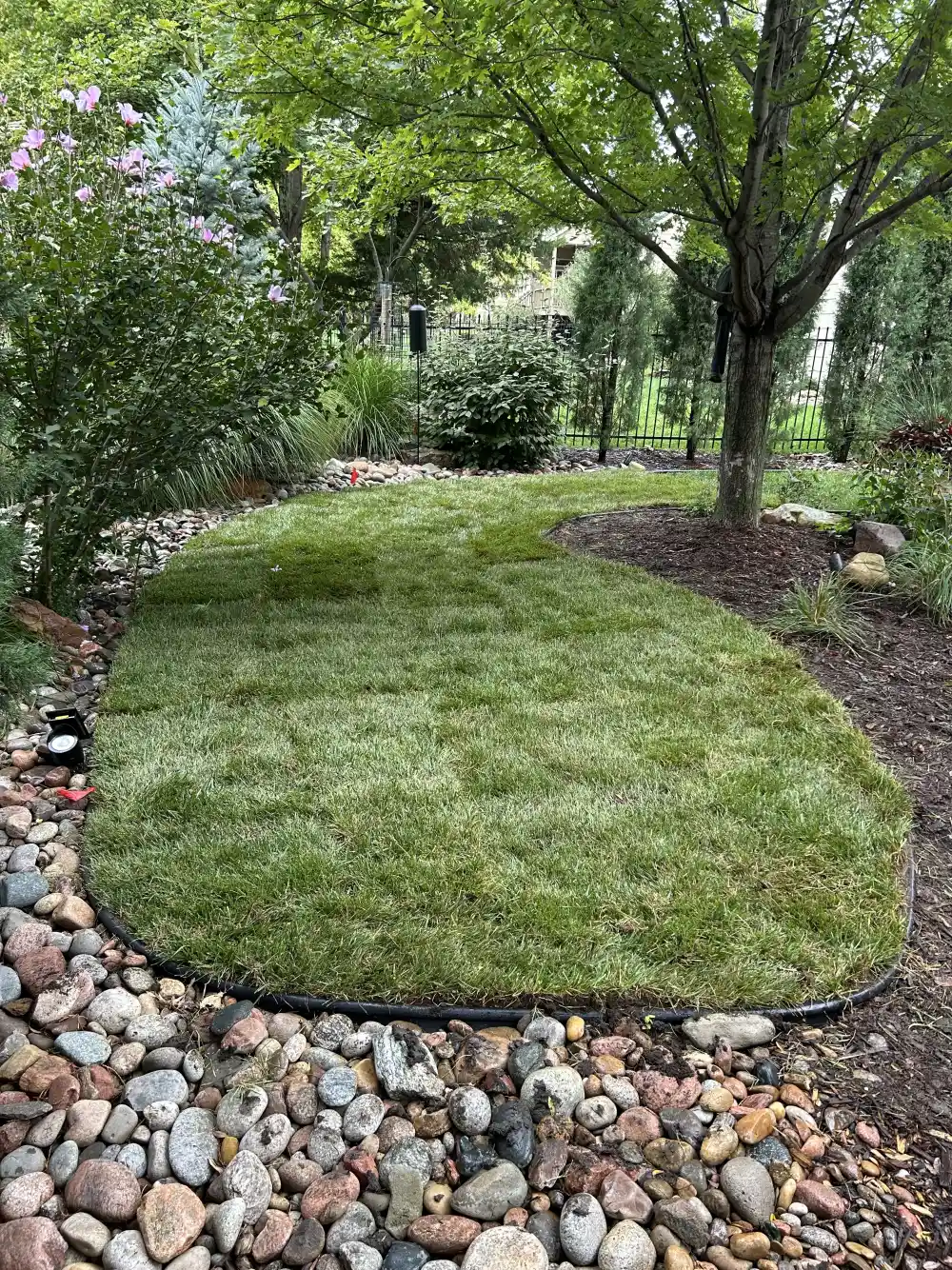
Two landscaping estimates can use the same project name and describe very different work. “Refresh the front beds” might mean new mulch and a few plants in one proposal, while another includes removals, soil preparation, edging, drainage corrections, irrigation adjustments, and a plan for how the plants will fill the space.
That difference matters in Wichita, where a yard may need to handle strong sun, wind, heavy rain, dry stretches, and freeze-thaw cycles over the course of a year. Before you book, ask questions that connect the visible design to the conditions underneath it. Prestige Lawn Care provides landscaping services in the Wichita area; this checklist will help you describe your priorities and compare recommendations clearly.
A useful proposal should explain the area being changed, the problem being solved, the preparation required, the materials included, the order of work, and the maintenance expected afterward. Price makes more sense when those details are clear.
1. What Type of Landscaping Work Does This Property Actually Need?
Homeowners often search for “types of landscaping,” but a practical way to sort the work is by purpose. Ongoing maintenance keeps existing turf and beds orderly. Renovation improves what is already there. Design and installation create a new layout or feature. Site-function work addresses drainage, irrigation, grading, access, or hardscape needs that affect how the yard performs.
Many projects overlap those categories. A bed renovation may reveal poor sprinkler coverage. A patio concept may change drainage or the route equipment must take through the yard. Ask which category is driving the project and which supporting work should be included now. That keeps a cosmetic improvement from covering up a functional issue.
2. What Exactly Is Included in the Estimate?
A complete written scope is more useful than a short project label. Ask it to identify the areas included, what will stay, what will be removed, how the site will be prepared, which materials and quantities are planned, how debris will be handled, and what final cleanup includes. Exclusions should be clear too.
This is also the time to ask how unforeseen conditions or requested changes will be handled. If the plan depends on a certain plant size, edging type, rock, mulch, sod, or hardscape material, those selections should be documented. When a project needs a more detailed layout, discuss whether landscape design should come before installation.
3. Is an Hourly Rate a Fair Way to Compare Landscaping Costs?
An hourly rate alone cannot tell you whether two proposals include the same result. Labor is only one part of landscaping. Equipment, delivery, disposal, site access, preparation, material quantity, grading, irrigation changes, installation, and cleanup can all affect the total scope.
Instead of asking whether a particular hourly number is “too much,” compare what each estimate delivers. A lower proposal may be the right fit, but only if it covers the preparation and finish work the property needs. If budgets require choices, ask which parts can be phased without creating rework and which steps form the foundation for everything that follows.
4. Have Drainage, Irrigation, and Access Been Checked?
Watch the property before the estimate visit. Note where water collects after rain, where soil washes or mulch moves, where turf stays dry, and whether sprinkler heads reach the proposed beds. Water issues deserve attention before plants, sod, or hardscaping cover the area. Explore yard drainage options or irrigation service when those systems are part of the problem.
Access can change a plan as much as water does. Gates, fences, slopes, utilities, mature roots, narrow side yards, and the path used to move material all affect what is practical. Before work begins, ask who will address utility locating, whether property or association requirements apply, and how areas outside the project will be protected.
5. Do the Plant and Material Choices Fit This Exact Spot?
A plant list should respond to the site—not just a photo or a preferred color. Ask about daily sun, reflected heat near walls and pavement, wind exposure, mature plant width and height, drainage, irrigation, and the clearance needed around walks, windows, meters, and equipment. A plant that looks appropriately sized at installation can become a maintenance problem if its mature size was not considered.
The same property-first thinking applies to mulch, rock, edging, turf, and hard surfaces. Each affects heat, water movement, weeds, mowing access, and future upkeep differently. If you like the “rule of three,” use it as a visual guideline for repetition or odd-numbered groupings—not as a requirement. Site fit and mature spacing are more important than forcing every bed into a fixed pattern.
6. What Order Should the Work Follow?
Work that changes access, elevation, or buried systems usually belongs ahead of finish work. Depending on the project, that may mean removals first, followed by grading or drainage, base work for hardscaping, irrigation changes, soil and bed preparation, planting, and then repair or installation of turf disturbed along the way.
If the full project will happen in phases, ask for a sequence that leaves sensible connection points for later work. For example, installing plants first may not be efficient if equipment will need to cross the bed during a future patio or drainage phase. A good phase should create a complete improvement while protecting the next one.
7. What Will the Landscape Need After Installation?
Ask about the first days and weeks as well as the next several seasons. New plantings and sod can need closer watering while they establish. Beds need weed management. Mulch or rock may need periodic attention. Plant growth can change light, airflow, and irrigation coverage over time.
Also ask who is responsible for each follow-up task and whether any material-specific care instructions apply. If a warranty is offered, review its written conditions rather than assuming what it covers. For ongoing mowing, edging, seasonal cleanup, and bed care, connect the project plan to lawn maintenance so the new work remains practical to manage.
What to Share Before the Property Visit
You do not need a finished design before requesting an estimate. A short priority list is more helpful: which area bothers you most, how you want to use it, what must stay, and how much ongoing care you are comfortable with. Photos of standing water, runoff, or sprinkler gaps can help when those conditions are not visible during the visit.
Mention pets, gates, access restrictions, planned construction, known utilities, and any timing constraints that could affect the work. If you have inspiration photos, explain what you like about them—plant structure, color, privacy, open lawn, or low upkeep—rather than expecting a different property to be copied exactly.
Frequently Asked Questions
What should a Wichita landscaping estimate include?
A useful estimate should define the areas included, removals, site preparation, materials, installation, cleanup, and exclusions. It should also identify drainage, irrigation, access, or sequencing issues that could affect the work.
Is an hourly rate the best way to compare landscapers?
Not by itself. An hourly rate does not show how much site preparation, equipment, material, hauling, installation, or cleanup is included. Compare the complete written scope and expected result.
What types of landscaping work should I ask about?
Most homeowner needs fit into ongoing maintenance, renovation of existing beds and features, new design and installation, or site-function work such as drainage, irrigation, grading, and hardscaping. A project may combine more than one category.
Does the rule of three apply to every landscape design?
No. Repeating or grouping plants in odd numbers can create visual rhythm, but it is a design guideline rather than a requirement. Mature size, sun, water, drainage, access, and maintenance matter more than following a fixed number.
Should drainage and irrigation be reviewed before planting?
Yes, when water movement or sprinkler coverage affects the project. Reviewing them before new beds, plants, sod, or hardscaping are finished can reduce rework and help the finished landscape receive appropriate water.
Plan the Right Next Step for Your Wichita Property
Prestige Lawn Care serves Wichita and surrounding communities with landscaping that can coordinate beds, plants, drainage, irrigation, hardscaping, turf, and ongoing care around the property’s priorities. If your project is in nearby Andover, you can also review our Andover landscaping guide.
Ready to discuss the property? Request a free landscaping estimate on the contact page or call (316) 669‑4125. Share what you want to change and any water, access, timing, or maintenance concerns you want considered.