
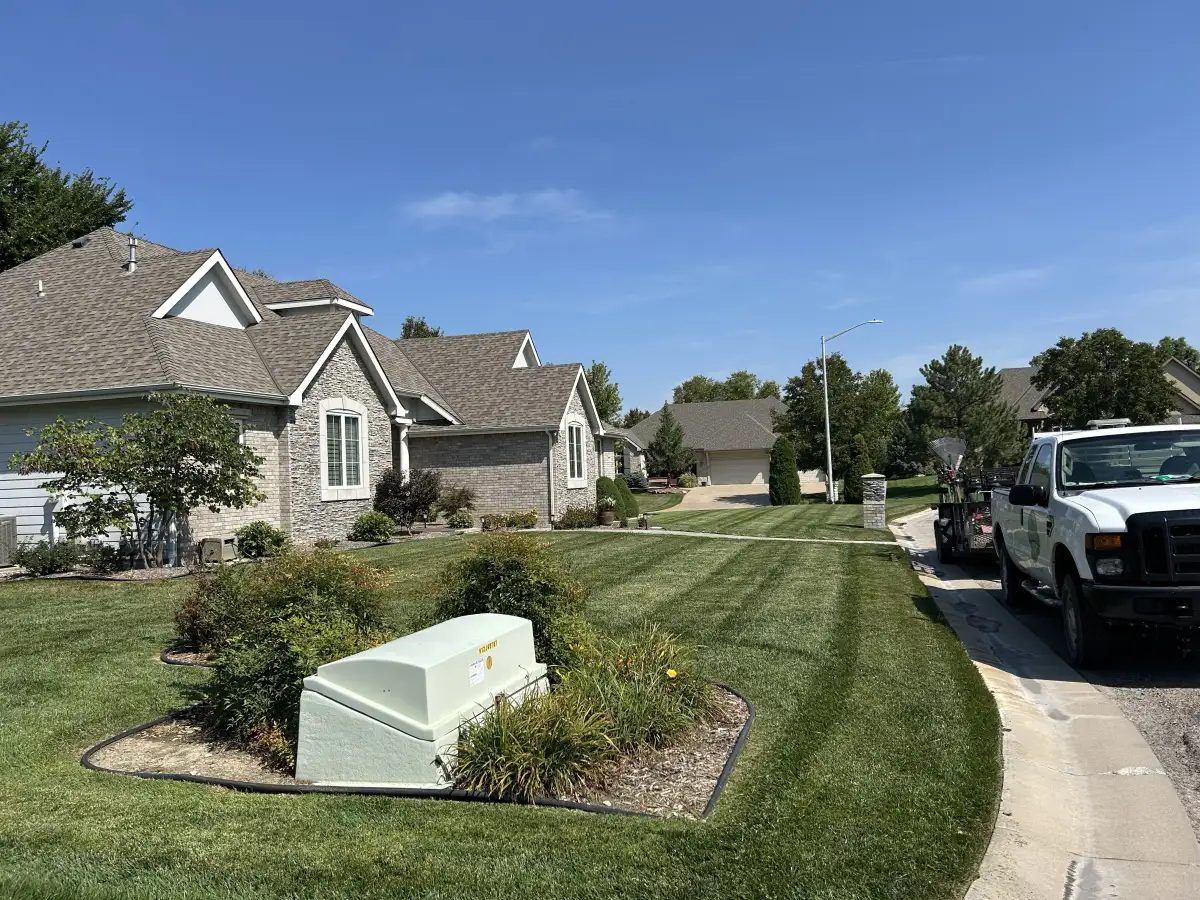
The short answer is that lawn care cost depends on what “lawn care” includes. A recurring mowing visit, a turf program, and a one-time recovery project solve different problems and should not be compared as if they were the same product.
For a useful local reference, the current Prestige Lawn Care FAQ lists $30 to $75 per visit as a general guide for weekly residential mowing on average-sized lots of 5,000 to 15,000 square feet. That range is planning context, not a fixed quote. The actual number can change with the lawn area, current growth, trimming and edging, gates, obstacles, cleanup, visit frequency, and services beyond mowing.
Start with recurring appearance, then add seasonal turf health and any catch-up work. This keeps a low mowing price from being mistaken for a complete lawn care plan.
Three Cost Layers Make Lawn Care Easier to Budget
1. Recurring maintenance
This is the predictable base: mowing the agreed turf areas, trimming around fixed obstacles, edging where included, and clearing clippings from hard surfaces. A Wichita lawn mowing estimate should state the visit frequency and exact work, because two prices can look similar while covering different areas or tasks.
2. Seasonal turf health
Mowing manages height and appearance. It does not replace fertilization, weed control, aeration, or seeding when those services are appropriate. These costs may occur at specific points in the growing season rather than on every mowing visit. Ask for each service to be identified separately so you can see the maintenance base and the seasonal additions.
3. Catch-up work and corrections
An overgrown first visit, heavy leaf cleanup, thin-turf recovery, sprinkler coverage problems, or standing water can create work outside routine maintenance. A dry strip may need a sprinkler review; a soft low area may call for a drainage conversation. Separating those problems protects the recurring budget from being loaded with one-time work—and prevents a mowing quote from being treated as a promise to fix an unrelated lawn condition.
What Changes a Lawn Care Estimate?
Square footage matters, but it is not the only driver. Providers also have to account for the time, access, and equipment needed to complete the agreed scope. The biggest variables commonly include:
- Serviceable lawn area: front, back, side yards, strips beyond a fence, and any separate turf areas.
- Current condition: normal growth, delayed mowing, heavy clippings, weeds, thin turf, or cleanup needs.
- Trimming and edging: fences, beds, trees, play equipment, utility boxes, curbs, and long hardscape edges add detail work.
- Access: narrow gates, slopes, locked areas, pets, and obstacles can change which equipment can be used.
- Frequency: the interval must fit actual growth. Spring rain and fast growth create a different workload than hot, dry weather.
- Separate services: treatments, aeration, seeding, irrigation work, drainage, shrub care, and seasonal cleanup should be clearly itemized.
A Simple Way to Build a Seasonal Lawn Budget
Instead of asking only for a monthly number, list the work in three lines: expected recurring visits, planned seasonal services, and known one-time needs. Then ask which items are included, which are optional, and which depend on the property review.
For recurring mowing, multiply the per-visit quote by the expected number of visits in the service period. Keep the visit count visible rather than assuming every month is identical. Wichita-area growth can accelerate during wet spring conditions and slow during heat or dry stretches, so the practical schedule may change through the season.
Next, add only the seasonal work that matches the lawn. A broader lawn care program may connect mowing with turf treatments or recovery work, but a healthy, established lawn and a thin, compacted lawn should not receive the same budget by default.
How to Compare Two Lawn Care Quotes Fairly
Put the quotes side by side and compare the same questions:
- Which lawn areas are included?
- What happens during a standard visit?
- Are trimming, edging, and hard-surface cleanup included?
- Is the first visit priced or scoped differently?
- How are weather delays and rapid growth handled?
- Which turf, irrigation, cleanup, or landscape services are separate?
A lower figure can still cost more if important areas or tasks are excluded. A higher figure may include work the other quote leaves out. The useful comparison is total responsibility for the same property and schedule—not the smallest number in isolation.
DIY Cost Is More Than the Price of a Mower
A do-it-yourself budget can include the mower, trimmer, edger, fuel or charging equipment, replacement line and blades, maintenance, storage, and disposal of heavy debris. It also includes your time and the ability to keep up when growth accelerates. Hiring service shifts much of that equipment and scheduling responsibility to the provider. A mixed approach can also work: professional recurring mowing with selected seasonal tasks handled by the homeowner, or the reverse.
The right choice depends on the property, available time, equipment already owned, and how consistent you want the result to be. Compare the full season rather than the cost of one cut.
Frequently Asked Questions
What is the average price of lawn care in Wichita?
Prestige Lawn Care's published FAQ gives $30 to $75 per visit as a general guide for weekly residential mowing on average-sized lots of 5,000 to 15,000 square feet. Your property-specific price can change with the lawn area, current condition, detail work, access, frequency, and services beyond mowing.
Does biweekly mowing cost less than weekly mowing?
Biweekly service means fewer visits, but the cost should not be estimated by simply dividing a weekly total in half. Taller growth can take more time and create more cleanup, and a two-week interval may not fit periods of rapid growth. Compare the per-visit scope and a realistic seasonal schedule.
What is the one-third rule in lawn care?
The one-third rule is a common guideline to avoid removing more than about one-third of the grass blade in one cut. It connects mowing height with frequency and helps explain why an overgrown lawn should not automatically be cut extremely short.
What should a lawn care estimate include?
It should identify the lawn areas, expected frequency, mowing, trimming, edging, hard-surface cleanup, first-visit work, access needs, exclusions, and any separately priced services. Written scope makes the cost understandable.
How can I get an exact lawn care price for my property?
Request a property estimate and share the address, areas to maintain, current lawn condition, desired frequency, last service date, gates or access limits, and any weed, sprinkler, drainage, or cleanup concerns. Prestige Lawn Care serves Wichita and the surrounding communities listed on the service-area page.
Request a Lawn Care Estimate
A clear quote begins with the property, the work you want handled, and the result you expect. Request a free estimate through the contact page or call (316) 669‑4125 to discuss recurring care, seasonal needs, or a one-time lawn improvement.