
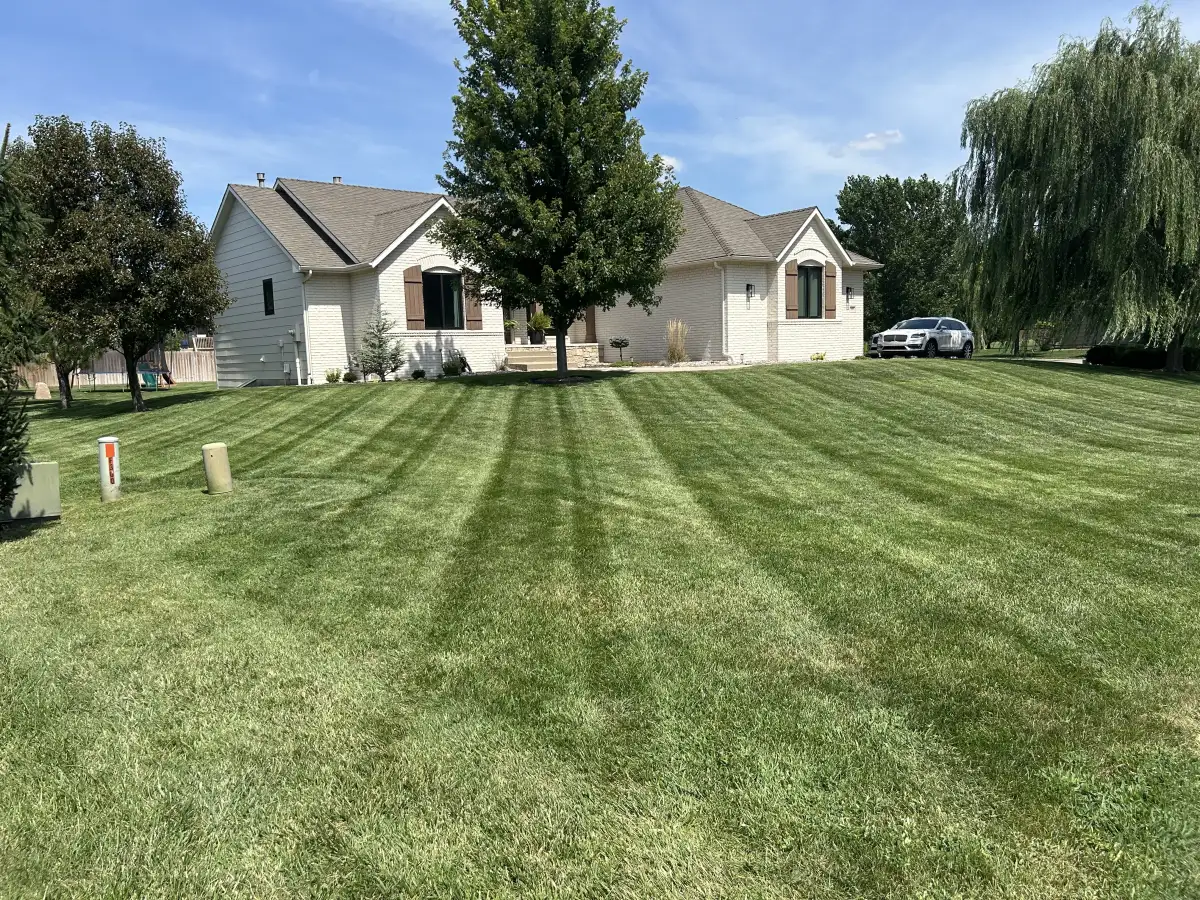
Spring Sprinkler System Startup Guide for Wichita, KS
The short answer: in the Wichita area, you should turn on your sprinkler system between mid-March and late April, once nighttime temperatures are consistently above 32 degrees and the threat of a hard freeze has passed. Rushing the startup before freezing nights end risks cracking pipes and damaging backflow preventers. Waiting too long means your lawn misses critical early-spring watering when grass roots are actively growing.
This guide walks through the complete spring startup process for Wichita homeowners -- when to start, how to inspect for winter damage, the right way to pressurize your system, and the controller settings that match Kansas spring weather patterns.
When to Turn On Your Sprinkler System in Wichita
Timing your spring startup depends on weather, not the calendar. The two conditions that must be met before activating your irrigation system are:
- No more freezing nights. In the Wichita metro area, the average last freeze date falls around April 10 to April 15. However, late freezes have hit south-central Kansas as late as early May. Check the 10-day forecast before turning anything on. If nighttime lows are still dipping below 32 degrees, wait another week.
- Daytime temperatures are consistently in the 60s or above. This signals that cool-season grasses (tall fescue, Kentucky bluegrass, perennial ryegrass) are actively growing and need consistent moisture. In most years across the Wichita, Andover, Derby, and Rose Hill areas, this happens by mid to late April.
There is no benefit to running your sprinklers while grass is still dormant or semi-dormant in early March. You waste water and increase the risk of freeze damage to exposed components. The sweet spot for most Wichita properties is the last week of March through the third week of April, depending on how the season plays out.
Pre-Startup Inspection: What to Check Before Turning the Water On
Before you open the main valve, walk your entire property and inspect the system visually. Winter in Kansas is hard on irrigation components. Freeze-thaw cycles, soil heaving, and mower damage from the previous fall can all cause problems that are easier (and cheaper) to fix before the system is pressurized.
Inspect the Backflow Preventer
The backflow preventer is usually the most exposed component of your system. It sits above ground and is the first thing you should check. Look for visible cracks in the body or bonnet, test cock handles that are broken or missing, and any signs of water staining or mineral deposits around the fittings, which indicate a slow leak. If the backflow preventer was not properly drained during winterization, internal seals may have frozen and split. Cracked backflow preventers must be repaired or replaced before you pressurize the system, because they protect your home's drinking water from contamination.
Check Sprinkler Heads and Rotors
Walk the entire yard and locate every sprinkler head. Look for heads that are cracked, broken, tilted, or sitting too low in the ground. It is common in Wichita to find heads damaged by mower blades from the previous season, or heads that have sunk due to clay soil settling over winter. Mark any damaged heads so you know which zones need attention once the system is running.
Examine Valve Boxes
Open every valve box and check for standing water, which can indicate a leak below grade. Inspect the solenoid wires for rodent damage -- mice and voles frequently nest in valve boxes over winter and chew through wiring. Confirm that valve box lids are intact and sitting flush so they do not become a tripping hazard when mowing begins in earnest.
Review the Controller
Check that your controller has power and the display is working. If the battery backup died over winter, the clock may have reset and all programming may be lost. This is a good time to replace the backup battery regardless. Note the current date and time on the controller, because incorrect time settings mean your zones will run at the wrong time of day.
Step-by-Step Spring Startup Procedure
Once your visual inspection is complete and you are satisfied that no major damage is present, follow these steps to safely bring your system online.
Step 1: Open the Main Shutoff Valve Slowly
This is the most important part of the startup process. Never open the main valve all the way at once. A sudden surge of water pressure into empty pipes can cause water hammer, which cracks pipes, blows out fittings, and damages sprinkler heads.
Instead, open the main shutoff valve about one-quarter turn and wait 30 to 60 seconds. Then open it another quarter turn and wait again. Continue this slow process over 3 to 5 minutes until the valve is fully open. You are gradually filling the pipes and allowing air to escape without building up destructive pressure spikes.
Step 2: Open the Backflow Preventer Valves
With the main valve fully open, slowly open the shutoff valves on the backflow preventer. Again, go slowly. If you hear loud banging or hammering, close the valve and wait a minute before trying again at an even slower rate. Some air will escape through the sprinkler heads when you run the first zone, and that is normal.
Step 3: Run Each Zone Manually
Go to your controller and manually activate each zone one at a time. Run each zone for at least 3 to 5 minutes while you walk the yard and observe. For each zone, check the following:
- Are all heads popping up fully and retracting cleanly?
- Is water spraying in the correct direction and pattern?
- Are there any geysers, which indicate a broken head or cracked riser?
- Is there water pooling in areas where it should not be, suggesting an underground line leak?
- Are rotors rotating smoothly through their full arc?
- Is coverage uniform, or are there dry gaps between heads?
Take notes on which zones have problems and what the specific issues are. Most homeowners find at least one or two heads that need adjustment or replacement after winter.
Step 4: Adjust Heads and Spray Patterns
Sprinkler heads shift over the winter. Soil movement, foot traffic, and mower passes can push heads out of alignment. Use the appropriate adjustment tool for your head type (most pop-up heads use a small flat-blade screwdriver) to correct spray arcs, radius, and direction. The goal is head-to-head coverage, meaning the spray from one head reaches the next head in the zone. Gaps in coverage lead to dry spots that turn brown in summer.
Step 5: Program the Controller for Spring
Spring watering needs in Wichita are different from summer watering needs. In April and May, your lawn typically needs about 1 inch of water per week total, including rainfall. This is roughly half of what it will need in July and August. Set your controller accordingly:
- Frequency: Water 2 to 3 days per week in spring. Every-other-day watering is usually sufficient until daytime temperatures consistently exceed 85 degrees.
- Timing: Run zones between 4 AM and 9 AM. Early morning watering reduces evaporation and gives grass blades time to dry before nightfall, which reduces disease pressure.
- Duration: Run each zone long enough to deliver about one-third inch of water per session. For pop-up spray heads, this is typically 15 to 20 minutes. For rotors, 30 to 45 minutes. Do the catch-cup test (place several flat-bottom containers in the zone and measure the water depth after running) to calibrate precisely.
- Rain delay: If your controller has a rain delay feature, use it after every significant rainfall. Better yet, install a rain sensor if you do not already have one. It pauses the system automatically when it rains, saving water and preventing overwatering.
Remember to increase watering frequency and duration as temperatures rise into June. Many Wichita homeowners set their spring schedule and forget about it, which leads to a stressed, under-watered lawn by mid-summer.
Common Spring Startup Mistakes
After servicing hundreds of irrigation systems across the Wichita metro, these are the mistakes we see homeowners make most often during spring startup:
- Opening the main valve too fast. This causes water hammer and is the number one cause of preventable spring irrigation damage. Slow and steady takes five minutes and saves hundreds of dollars in repairs.
- Starting too early. Turning the system on in early March when freezing nights are still common exposes the backflow preventer and any above-ground components to freeze damage. The water in those components will freeze overnight and crack them.
- Not walking the entire yard. Running the system from the controller and assuming everything is fine is a recipe for hidden problems. Underground leaks, misaligned heads, and broken rotors are only visible when you are standing in the zone while it runs.
- Using last summer's schedule. Spring lawns need less water than summer lawns. Running your July schedule in April wastes water, increases your utility bill, and can create fungal disease problems in the cool, damp spring soil.
- Ignoring the backflow preventer test. Kansas state law requires annual testing of backflow prevention devices on irrigation systems. Most municipalities in Sedgwick County require a certified backflow test report. Spring startup is the natural time to schedule this test.
- Skipping winterization the previous fall. If your system was not properly blown out before winter, you may have cracked underground pipes that only become apparent during spring startup. If you skipped winterization, be especially vigilant during your zone-by-zone inspection for soggy patches that could indicate a buried line break.
Signs You Need Professional Sprinkler Repair
Some spring startup issues are simple DIY fixes. A tilted head can be straightened. A clogged nozzle can be cleaned. But certain problems require professional diagnosis and repair:
- Consistently low water pressure across multiple zones, which may indicate a mainline leak, a partially closed valve, or a problem with the municipal supply connection
- Zones that will not activate from the controller, suggesting a wiring fault or a failed solenoid valve
- Water pooling in the yard when the system is off, indicating a valve that is not closing properly (a stuck valve)
- A cracked or leaking backflow preventer, which must be repaired by someone with the right parts and testing equipment
- Controller malfunctions such as a blank display, zones running out of sequence, or the system running at random times
If you encounter any of these issues, professional sprinkler repair will save you time and prevent the problem from causing further damage to your system or your lawn.
How Spring Irrigation Connects to Overall Lawn Health
Getting your sprinkler system running correctly in spring is not just about the irrigation equipment. It directly affects everything else you are doing for your lawn this time of year.
Spring fertilizer applications need water to activate and carry nutrients into the root zone. If your sprinkler system is not running yet, or if coverage is uneven, your fertilizer investment is wasted in some areas and over-concentrated in others. Pre-emergent herbicides also require watering-in within 24 to 48 hours of application to form the chemical barrier that prevents crabgrass germination.
If you overseeded this spring, consistent moisture is critical for seed germination. New grass seed needs to stay moist (not soaked) for 14 to 21 days. Without a properly calibrated sprinkler system, keeping new seed consistently watered is nearly impossible on larger lawns.
Even your weekly mowing routine is affected by irrigation. A well-watered lawn grows more evenly and tolerates regular mowing better. Dry, stressed grass that gets mowed short is far more susceptible to weed invasion and disease.
Spring Startup Checklist Summary
Use this quick-reference checklist to make sure you cover every step:
- Confirm nighttime temperatures are consistently above 32 degrees
- Walk the property and inspect all heads, valve boxes, and the backflow preventer
- Open the main shutoff valve slowly over 3 to 5 minutes
- Open backflow preventer valves slowly
- Manually run each zone for 3 to 5 minutes and inspect coverage
- Adjust or replace damaged heads
- Program the controller for spring watering (2 to 3 days per week, early morning)
- Replace the controller backup battery
- Schedule a backflow preventer test if required by your municipality
- Plan to increase watering as summer temperatures arrive in June
Get Your Wichita Sprinkler System Ready for Spring
A proper spring startup protects your irrigation investment, prevents water waste, and sets your lawn up for a strong growing season. If you would rather have a professional handle it, or if your inspection revealed damage that needs repair, Prestige Lawn Care provides complete irrigation startup and sprinkler repair services across the Wichita metro area, including Andover, Derby, Rose Hill, Augusta, Maize, and Goddard.
Ready to schedule your spring startup? Request a free estimate or call (316) 669-4125 to get your system inspected and running before the heat arrives.